

What it Means for Rolling Embers — and for Cannabis Consumers in SW Michigan
The Pokagon Band of Potawatomi Indians and the State of Michigan have signed a historic cannabis compact that brings the tribe fully into Michigan’s regulated adult-use marijuana market — a move with practical implications for both the local cannabis industry and consumers in Southwest Michigan.
Announced today, Dec. 18, the agreement between the Pokagon Band and the Michigan Cannabis Regulatory Agency (CRA) is only the second tribal-state cannabis compact in Michigan, following a similar deal earlier this year with the Bay Mills Indian Community. State and tribal leaders say the goal is to eliminate legal gray areas, strengthen consumer trust and support a well-regulated cannabis marketplace.
For the Pokagon Band, the compact significantly changes how its cannabis business operates — especially Rolling Embers, the tribe’s retail cannabis store and outdoor consumption lounge located near I-94 in New Buffalo.
From Tribal-Only to State-Integrated
The Pokagon Band legalized adult-use cannabis on tribal land in 2023 and launched Rolling Embers under tribal law. Until now, however, the operation could not legally buy from or sell to state-licensed cannabis businesses, nor participate in Michigan’s statewide seed-to-sale tracking system.
That changes with the new compact.
Under the agreement, the Pokagon Band can now:
-
Buy cannabis from and sell cannabis to state-licensed marijuana businesses
-
Transport cannabis off tribal land for transactions with state licensees
-
Participate in Michigan’s Metrc seed-to-sale tracking system
-
Coordinate inspections and enforcement with the state’s Cannabis Regulatory Agency
In practical terms, Rolling Embers is now able to operate much like any other licensed Michigan dispensary — while still remaining tribally owned and governed.
Why It Matters to Consumers
For cannabis consumers in Berrien County and the broader Southwest Michigan region, the impact is straightforward:
-
More product transparency and familiarity. Participation in the state’s tracking and testing system means products sold through Rolling Embers will meet the same regulatory standards consumers expect at licensed Michigan dispensaries.
-
Greater confidence and clarity. The compact removes lingering questions some consumers may have had about how tribal cannabis operations fit within Michigan law.
-
A unique experience remains. Rolling Embers’ outdoor consumption lounge — one of the few legal places in Michigan where adults can purchase and consume cannabis on site — remains a differentiator, particularly during the warmer months.
The New Buffalo area already has one of the highest concentrations of dispensaries in the state due to cross-border traffic from Indiana. The compact gives Rolling Embers a fully recognized place in that competitive market rather than operating alongside it.
Economic and Community Impact
The compact also has broader economic implications.
As part of the agreement, the Pokagon Band will share a portion of its cannabis excise tax revenue with the state to reimburse Michigan for the costs of administering and overseeing the compact. Remaining tax revenues will be used by the tribe to support government services and community projects across its service area, which includes four counties in Southwest Michigan.
Tribal leaders and state officials have described the agreement as a model for future partnerships. Many of Michigan’s 12 federally recognized tribes have expressed interest in pursuing similar compacts, which could further integrate tribal cannabis businesses into the state’s regulated market.
The Bottom Line
This agreement doesn’t change Michigan’s cannabis laws for consumers — but it does change how tribal cannabis businesses participate in the marketplace.
For Southwest Michigan, the compact brings more regulatory clarity, strengthens consumer confidence and reinforces the region’s role as one of the state’s busiest cannabis corridors. It also reflects a growing effort by the state and tribal governments to work together in an industry that continues to evolve rapidly.
In short: fewer gray areas, clearer rules, and a more level playing field — with Rolling Embers now firmly part of Michigan’s licensed cannabis economy.
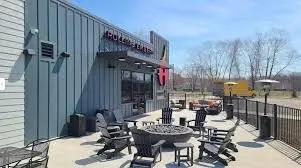
Rolling Embers outdoor consumption area, New Buffalo